Featured creators.
Every Monday, the Creator Spotlight breaks down how a working Austin creator builds, grows, and makes money. Every spotlight we run lives on this page.
What happens after people start paying attention.
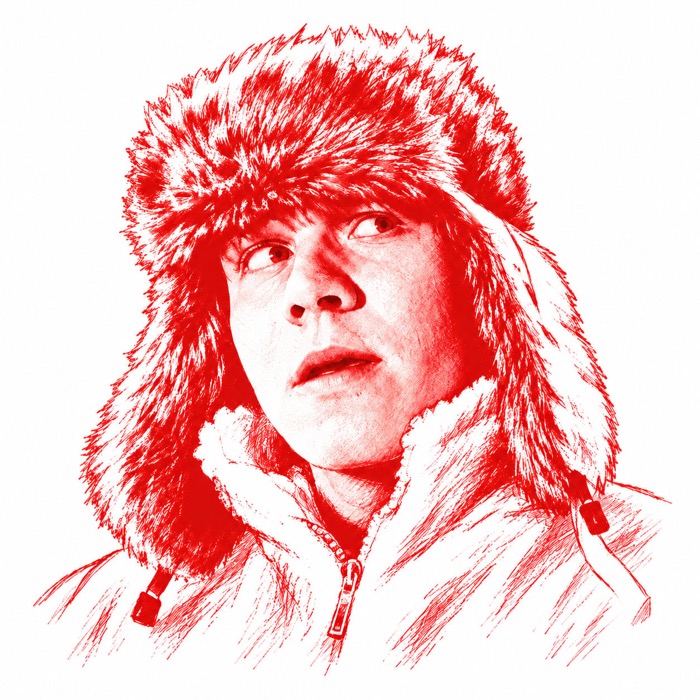
Illustration adapted from Zurkie's supplied photo.
Zurkie
Streamer · 80% streams · 20% brand deals
Zurkie makes videos that feel like FaceTime with a best friend. The business today: $50K to $100K a year, roughly 80% from streams and 20% from brand deals. He's pretty convinced that's not where the biggest opportunity is.
His take is that almost every creator he knows making serious money owns something. A product. A show. A service. Something people can buy from them beyond a brand deal or a platform payout. He's already seen a small version of that himself: a Cameo-style offer where fans paid for a custom video worked well, while show-specific merch didn't.
The other lesson is evergreen content. Instead of needing every new upload to be the one that hits, he's building a catalog people can discover, binge, and come back to later.
"When you reach a peak, the answer is usually in the valley."
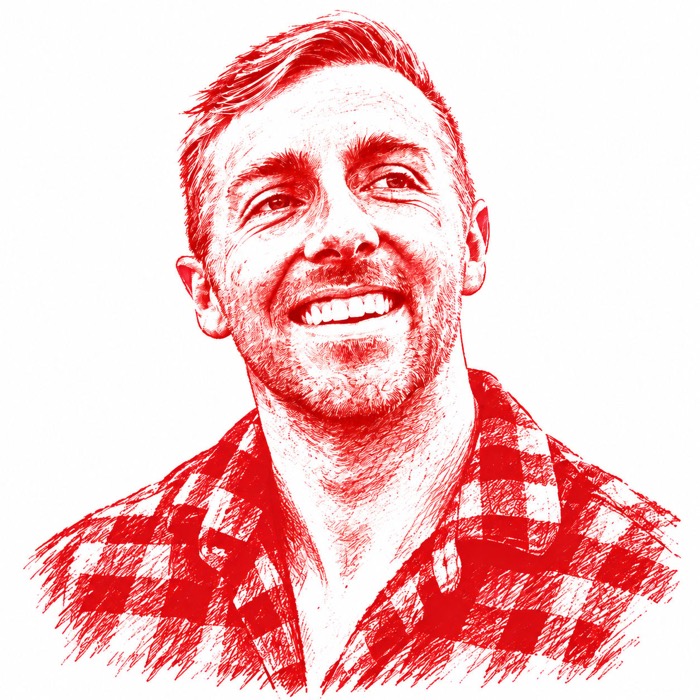
Illustration adapted from a photo on Nick Bare's official website.
Nick Bare
Bare Performance Nutrition · Go One More · Austin
Nick Bare started Bare Performance Nutrition in 2012 with a $20,000 loan and his first supplement production order. Ten years later, BPN finished 2022 doing $40 million in annual revenue. Then he stepped down as CEO.
In 2023, Nick shifted his focus toward content marketing, brand awareness, and the overall vision for BPN. By then the company had 40+ full-time employees, a 50,000-square-foot headquarters outside Austin, and products in stores like H-E-B and The Vitamin Shoppe. He chose the work that kept people emotionally connected to the brand.
Anyone can manufacture another protein powder. It's a lot harder to recreate more than a decade of Nick documenting his training, races, business, and the Go One More philosophy BPN built its community around.
"It was one of the best decisions I've ever made."
There's more to the business than meets the eye.

Cody and Tory. Illustration adapted from photography © Cody Taurus.
Cody Taurus
Comedy dog content · 80% brand deals · Day job intact
Cody Taurus makes comedy dog content with Tory, his Shiba Inu. The business generated close to seven figures over the last 12 months, with roughly 80% coming from brand deals. He still has his day job.
Creator culture treats quitting your job as the milestone that proves you've made it. Cody is a good counterexample: a serious creator business without turning being a creator into his entire life. One of the biggest changes that got him there wasn't posting more or an algorithm hack. It was hiring management. When most of your revenue comes from brand deals, better negotiation, packaging, and deal flow can be worth more than squeezing out another 10% of views.
He also doesn't buy the generic "just post consistently" advice. His version: post enough to understand what works, then use what you learn to make better decisions.
"You're probably worth more than you think you are."
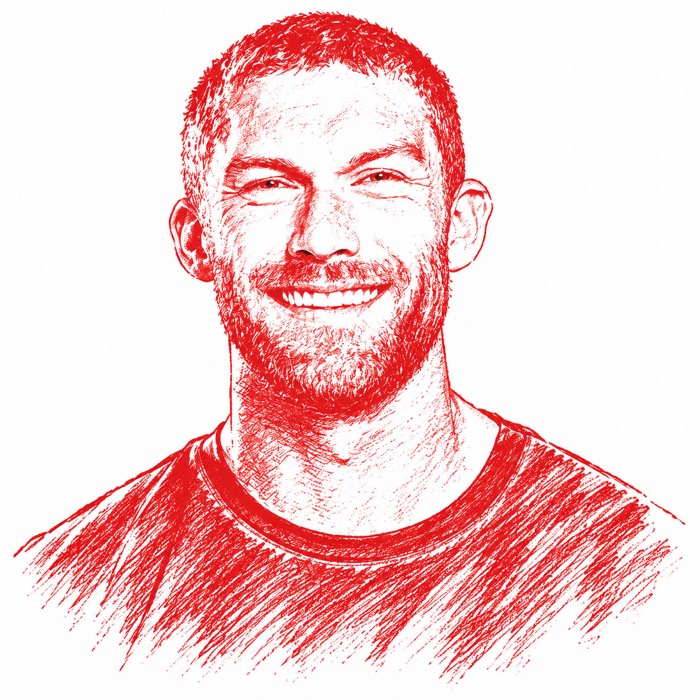
Illustration adapted from his CAA headshot.
Chris Williamson
Modern Wisdom · Podcast · Austin
Modern Wisdom now has the kind of podcast studio most creators would dream about. It came after years of Chris Williamson recording wherever he could.
In his Austin studio tour, Chris says he traveled more than 100,000 miles a year for each of the preceding three years, recording in bedrooms, borrowed studios, and wherever the conversation could happen. A permanent home base means more guests come to him. If the right conversation required getting on a plane, he got on the plane. The guest and the idea were the product.
Creators can get this backwards. We convince ourselves we need the better camera, prettier set, or perfectly designed studio before we make the thing. Modern Wisdom eventually got all of that. It earned the production after proving the premise.
"Premise beats production."
Optimization is not the same thing as positioning.

Ryan Ng
Forty Love · Tennis · Production & sponsorships
Ryan Ng is building Forty Love, a production company making new kinds of tennis stories. For months he averaged 5 to 8 million views a month, and went five or six months without a single serious inbound opportunity. So he changed what he was selling.
Rather than positioning Forty Love as a brand that made cool tennis content, Ryan positioned it as a production company with a distinct creative point of view on tennis. His monthly views fell to around 1.5 million, but tennis brands started paying attention. The business is now roughly split between production work and sponsorships.
The shift changed how he creates. He stopped obsessing over upload schedules, hooks, and retention, and focused on work he thought was creatively challenging and good. It took eight months to realize his value proposition wasn't getting millions of views for a brand. It was making really good work.
Fewer views. A clearer reason to hire him.
What happens when creators stop treating every piece of content like the final product.

Olivia Adriance
Extra Scoop · Annadea Beauty · Cookbook author
Most creators are constantly looking for another revenue stream. Olivia Adriance shut one down.
When she moved Extra Scoop to Substack, she created a paid tier for behind-the-scenes updates on her cookbook, beauty brand, and creator business. By the end of 2025 the economics didn't make sense: the potential newsletter revenue was small next to her other income streams, and growing it would take more time, content, and team resources. So she ended paid subscriptions and made the newsletter free.
Look at what else she's building: a content business, her debut cookbook, and Annadea Beauty, which launched in July after roughly 18 months of development. Every hour spent optimizing a paid newsletter would have competed with those priorities.
The useful question isn't just "could this make money?" It's "is this the best use of my attention?"

Matt Risinger
The Build Show Network · Building science · Austin
Matt Risinger turned a niche construction channel into an entire media network.
In a 2020 interview on The Building Code, Matt explained why he launched The Build Show Network: YouTube gave him limited data, limited partnership options, and limited control over the business around his content. He also didn't want every video to become an advertorial just because sponsors wanted access to his audience. His solution was to build a media business around the niche.
Today, The Build Show is bigger than Matt. It features multiple builders and building-science experts, produces original series, runs podcasts and a newsletter, works with industry partners, and has extended into Build Show LIVE. He went from an expert with a YouTube channel to a place where other experts in his industry create too.
You can build the media company for the category itself.
What makes an audience valuable.

Sagun Sedai
The Austin Report · 45k in 14 months · Local media
If you own an Austin business, 45,000 people interested in Austin could matter more than a million followers scattered everywhere.
That's what makes Sagun Sedai from The Austin Report interesting. He grew to 45K followers in about 14 months covering a city full of new businesses and developments. The positioning gives local sponsors a clear reason to work with him: he reaches the people they want to reach. The revenue mix, as he shares it: 80% sponsorships, 15% consulting, 5% platform monetization.
He also says networking with business owners brought in more referrals than he expected. A specific audience makes it easier for the right business to see your value. Sometimes the opportunity is getting clearer about who you reach and why they matter.
Before asking "how do I get more followers?" ask "who would find my current audience incredibly valuable?"
What happens when a creator keeps turning attention into new assets.
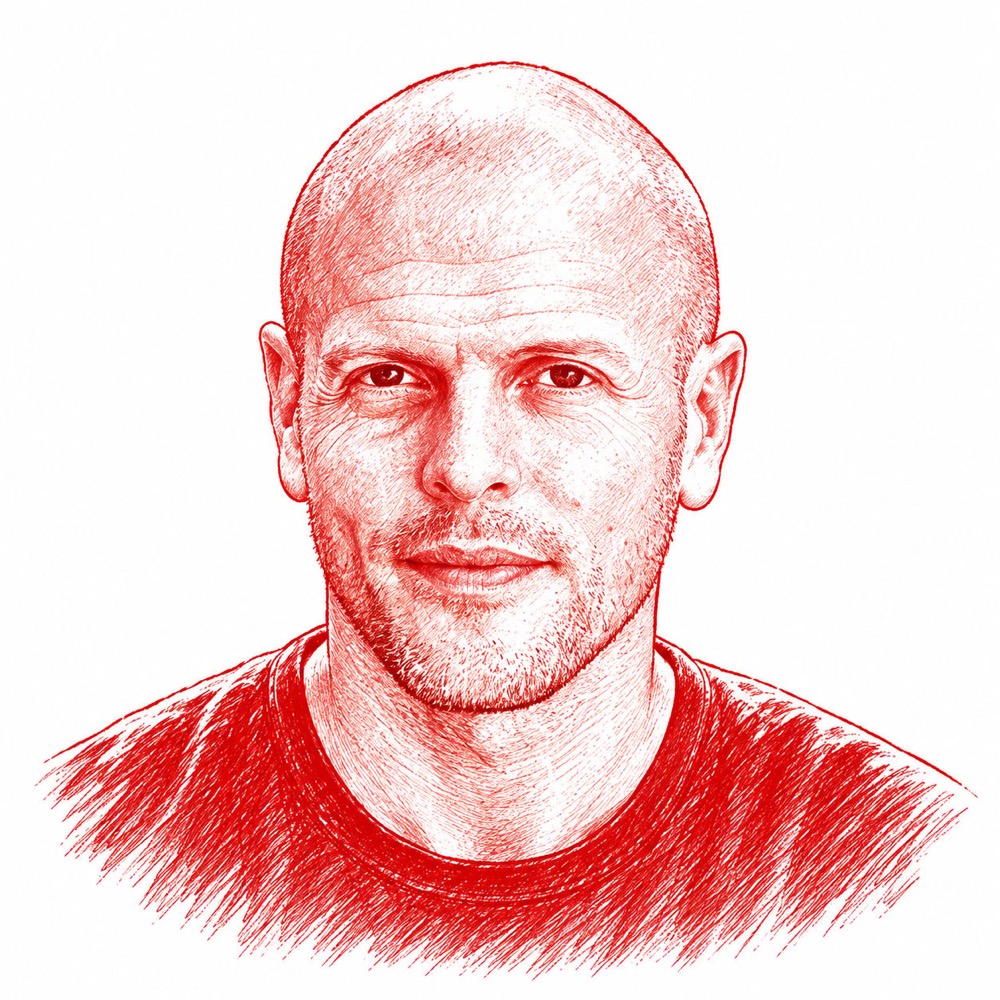
Tim Ferriss
Author · Podcaster · Investor · Austin
Tim Ferriss built a portfolio, not just an audience: five #1 bestselling books, a podcast with more than 1 billion downloads, a newsletter with 2 million+ subscribers, physical products, and an investment portfolio spanning 100+ companies.
The interesting part is how each piece feeds the next. His books built authority. The podcast and newsletter built distribution. That distribution created relationships and access, which helped lead to investments and advisory roles in companies like Uber, Shopify, Meta, Duolingo, SpaceX, Reddit, and xAI.
Then there are the experiments: TV shows, a book club, and COYOTE, a card game with Exploding Kittens. His CØCKPUNCH project spans fantasy IP, a scripted podcast, and coffee, and some of those bets have generated millions for his Saisei Foundation. The takeaway isn't that every creator needs 10 revenue streams. It's that every asset you build can make the next one easier.
He doesn't just monetize attention. He converts attention into assets.
What creators build around their expertise: a subscription app and a media-and-education company.
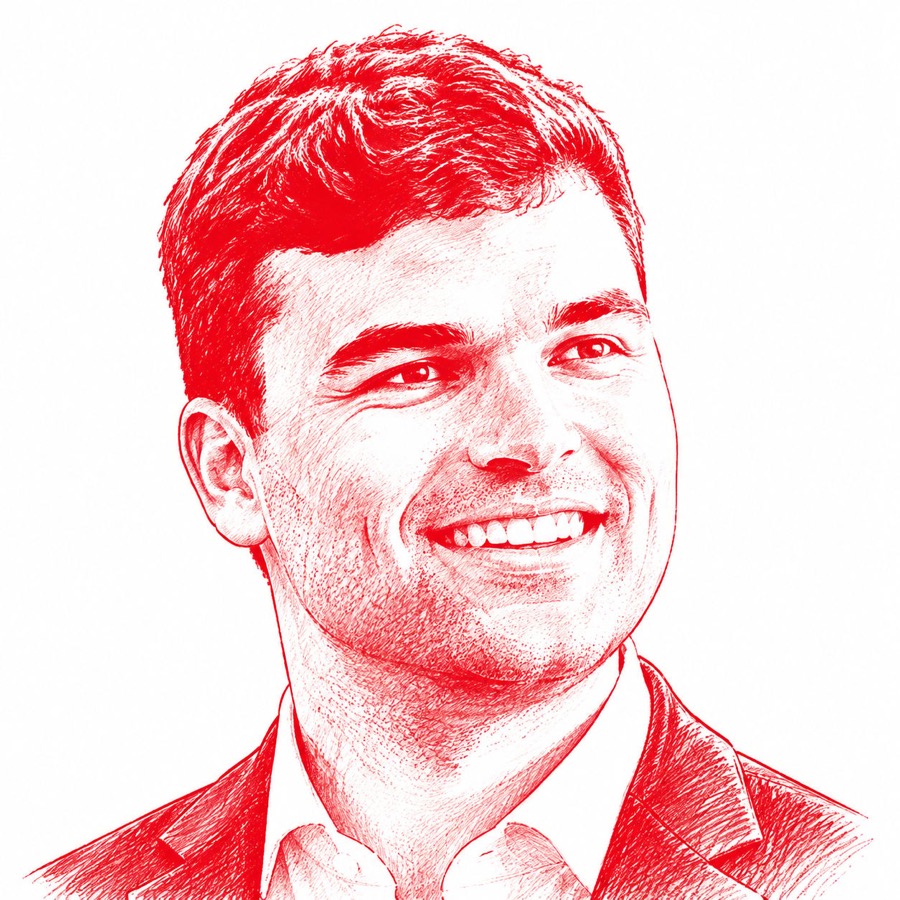
Arjay McCandless
System design · Devmaxx · Software engineering education
Arjay teaches software engineers system design, turning a technical subject into content people want to watch. His two-person skits have become a signature format, and the inspiration came from somewhere unexpected: a political creator.
Arjay watches what works in other corners of the internet, then adapts the structure to the problems his audience cares about. That same audience is the starting point for Devmaxx, his subscription mobile app. Alongside sponsorships, the app gives his business a product of its own: roughly 60% of revenue comes from sponsorships and 40% from products, and his biggest brand deal was $125,000 for four short-form reels.
Launching the app was a turning point, and a surprising amount of his work now happens around it: testing trial reels, running Meta ads, and figuring out how to get it in front of the right people. His experience was that having followers didn't automatically mean those followers knew what he was selling. Away from the screen, he's an introvert who loves fishing and being outdoors.
"Always be trying new ideas even if you've found something that works."
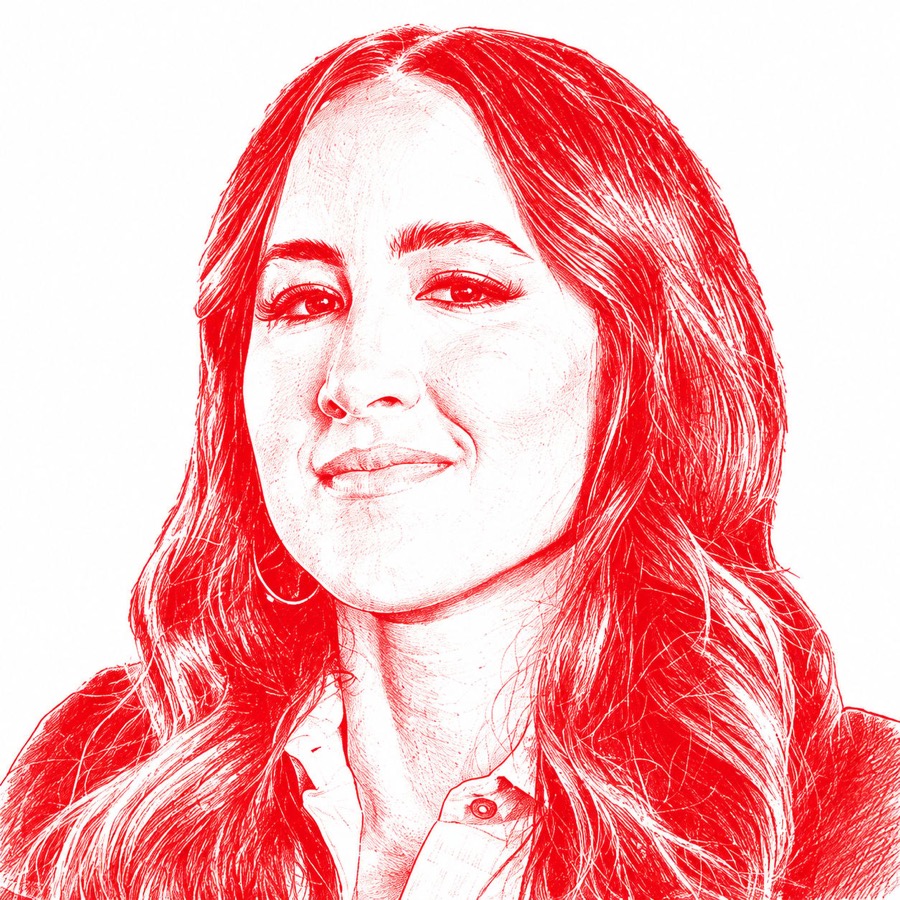
Codie Sanchez
Contrarian Thinking · Business ownership · Media & education · Austin
Codie made a creator business out of an overlooked subject: buying ordinary businesses. Her recurring idea is easy to recognize, and she can return to it from hundreds of angles.
After a career in journalism and finance, she launched Contrarian Thinking in 2020 around the case that businesses like laundromats and window-washing companies deserve a closer look. Today the Austin-based company pairs its media with programs for people at different stages of ownership: Contrarian Academy for business buyers and Growth Boardroom for owners working on growth, teams, and operations. The progression gives readers a path from learning about a business problem to getting help with it.
The numbers back the model: No. 10 on Forbes' 2026 Top Creators list, with an estimated $31 million in gross earnings from March 2025 to March 2026. By our calculation from Forbes' figures, that's $3.10 per follower across her 10 million total followers, the highest earnings-per-follower ratio among the 50 creators on the list.
"You have to control the resources behind the art."
Meet your hosts: for the first issue, the two putting this brief together.

Ken Jee
YouTube · 275k · Newsletters & communities · Austin
Ken started creating content around data science, and the videos opened doors well beyond YouTube. 275,000 subscribers later, the biggest checks never came from ad reads.
His most memorable money moment was a six-figure consulting project that came directly from his content. It showed him a creator's value to a company can extend far past putting its product in a video. He later ran a YouTube ad agency connecting sponsors with data science creators before shifting into the creator economy full time: building newsletters and communities for creators and entrepreneurs in Austin, including this brief and Austin Founders Feed.
He's also a former college golfer, briefly professional, who wrote a book on visualization for athletes. That's roughly where the show-up-and-do-the-reps thing comes from.
"Show up in person. Trust is getting harder to earn online, and business is moving back into rooms."

Justin Nguyen
Declassified Media · Hundreds of millions of views · Austin
Justin built Declassified Media, a college-to-career media company whose content generated hundreds of millions of views. The number he's almost more interested in is 20: roughly how many hours a week he worked on it.
The goal was never the biggest possible content machine. It was a multiple-six-figure business built for the lifestyle he wanted: systems, knowing which work actually moved the business, and avoiding the trap of turning entrepreneurship into a job with a more annoying boss.
His advice for creators follows the same philosophy: know enough to be dangerous. From legal to editing, learn the basics as a gut check on whether you're getting ripped off.
"If you look around the table and can't tell who the sucker is, it's you."
One creator, every Monday.
Starting next week, the spotlight turns to creators from the community: what separates someone who is good at creating content from someone who builds a great creator business. Every spotlight lands on this page.
Spotlights are pulled from the directory and from replies to the brief. Add yourself to the directory and you're in the pool. No pitch required.
Join the directory